Around the Block: Hawthorne
A recurring feature highlighting the neighborhoods, cul-de-sacs and streets that make Lake Bluff feel like home
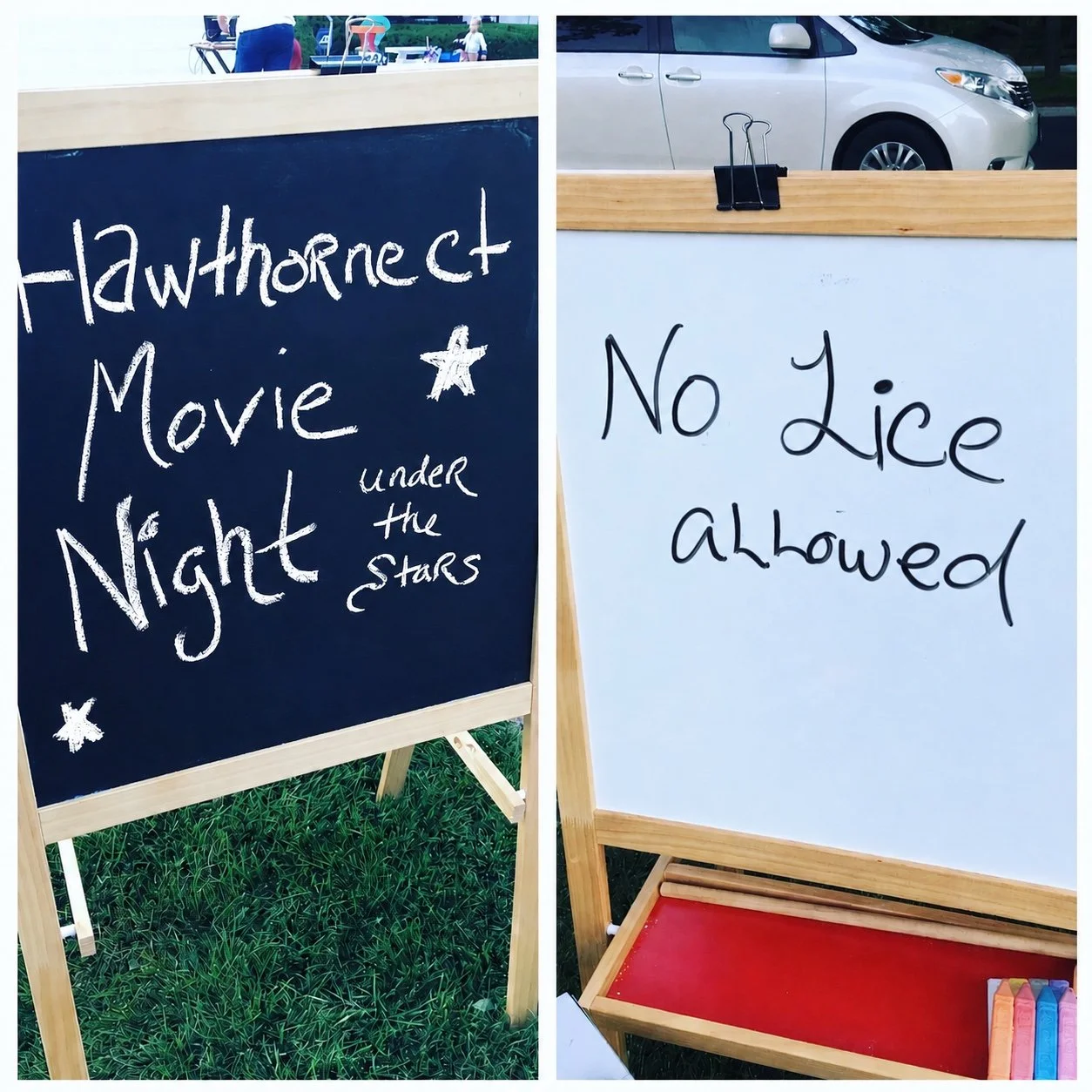
No Lice Allowed!
Tucked into Lake Bluff’s West Terrace, Hawthorne is part of a chapter of the village that began unfolding after World War II. The North Terrace came first, followed by the East Terrace in the late 1950s and the West Terrace in the early 1960s, as Lake Bluff grew beyond its older neighborhoods.
More than six decades later, Hawthorne is the kind of place where childhood still seems to spill from one yard into the next. Kids who once built snow forts together and went sledding down the ravine have grown into teenagers, their shared childhood becoming part of the neighborhood’s history, too.
They still show up at each other’s houses and take snacks without asking. But now, when a storm sends branches into the street, they’re old enough to drag them out of the way. They’ve become the teenagers neighbors call to carry mulch, babysit the newest little ones on the block - or, occasionally, provide a ride to a friend’s house after a parent has already said no.
“I’ve always felt comfortable going to my neighbor’s houses to hang out, play video games or wiffle. We have such a fun and safe neighborhood,” said Henry Morse, 13.
Meanwhile, new families arrive and another crop of little kids appears on the sidewalks and lawns, ready to start the whole thing over again. That cycle is part of what Katie Koehnemann loves about Hawthorne. “New kids continue to move in and bring another generation to the bunch on this street,” she says, “to keep the memories blooming.”
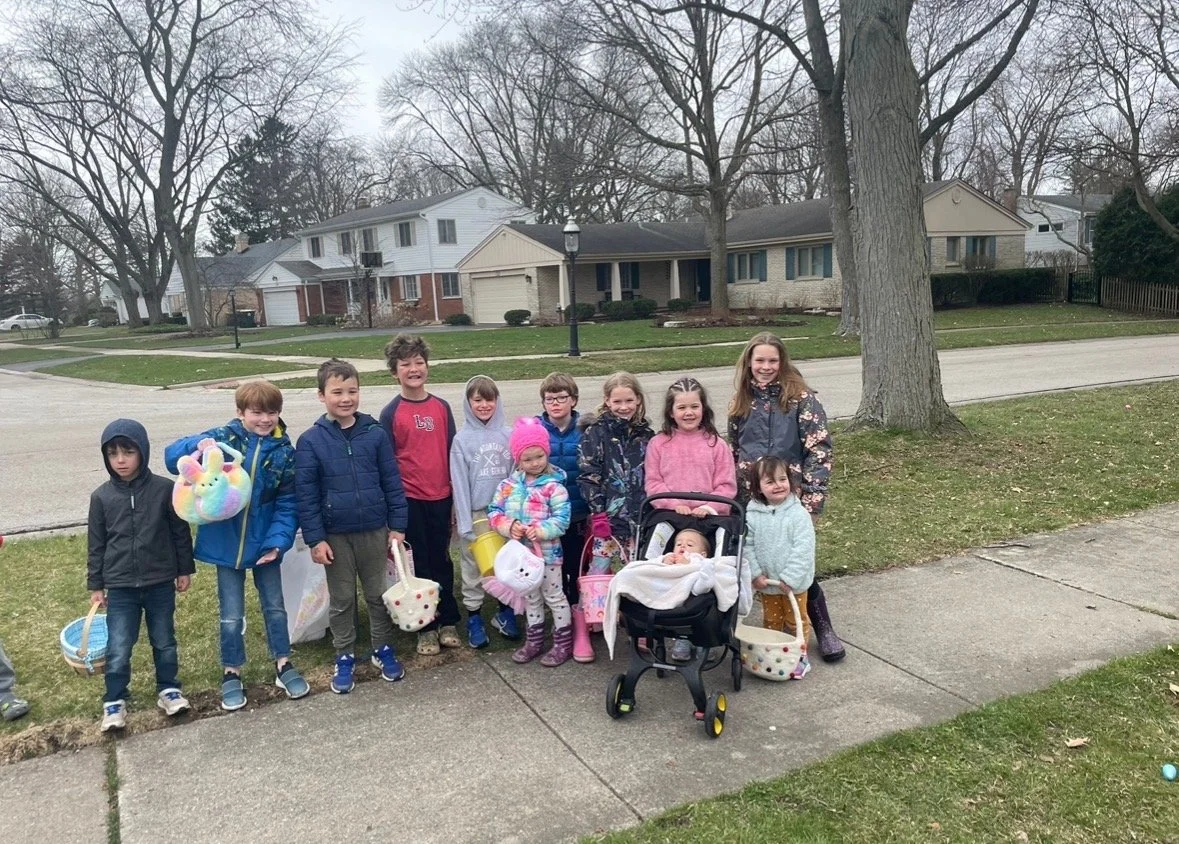
There are plenty of memories to inherit, like annual Easter egg hunts and lemonade stands, s’mores nights, driveway movies and open wiffle ball games in the Koehnemanns’ backyard, where no formal invitation is necessary. On random summer nights, karaoke and the neighborhood’s open mic is billed as “Jarvinia,” named for a neighbor and open to whoever happens to wander over. “Come one, come all,” Koehnemann says. “Just follow the music.”
Halloween means a stop at the Koehnemanns’ to refuel adults and kids before candy becomes, as Katie puts it, the third meal of the day. Yet what makes Hawthorne feel different isn’t really the Easter eggs or wiffle ball or karaoke. It’s what happens when life isn’t a party.
When a baby is born, food and flowers arrive. When someone is sick or a family is struggling with a devastating loss, there are meal trains and people checking in. The neighborhood text chain reflects the same rhythm of everyday life and every door is open.
Nick Papadakes readily admits that, too. “On Hawthorne,” he says, “we’re not nosy, we’re just aggressively well-informed. Kids wander from house to house uninvited and adults aren’t much better,” he says with a laugh. “And if you’re wondering where everyone is hanging out, look for the pile of bikes in the front yard.”
Maybe that’s the difference between living near people and belonging to a neighborhood. On Hawthorne Court, the people around you aren’t simply the ones whose houses happen to sit beside yours; they’re the ones who have watched your children grow up, notice your dog is missing before you’ve made it halfway down the block, bring dinner when life gets hard and show up when there is something worth celebrating.
Over the years, children become teenagers, new babies arrive and families sometimes come and go, but the best things stay the same. Somewhere down Hawthorne, a neighbor hears the commotion and heads outside.