The Many, for the Few
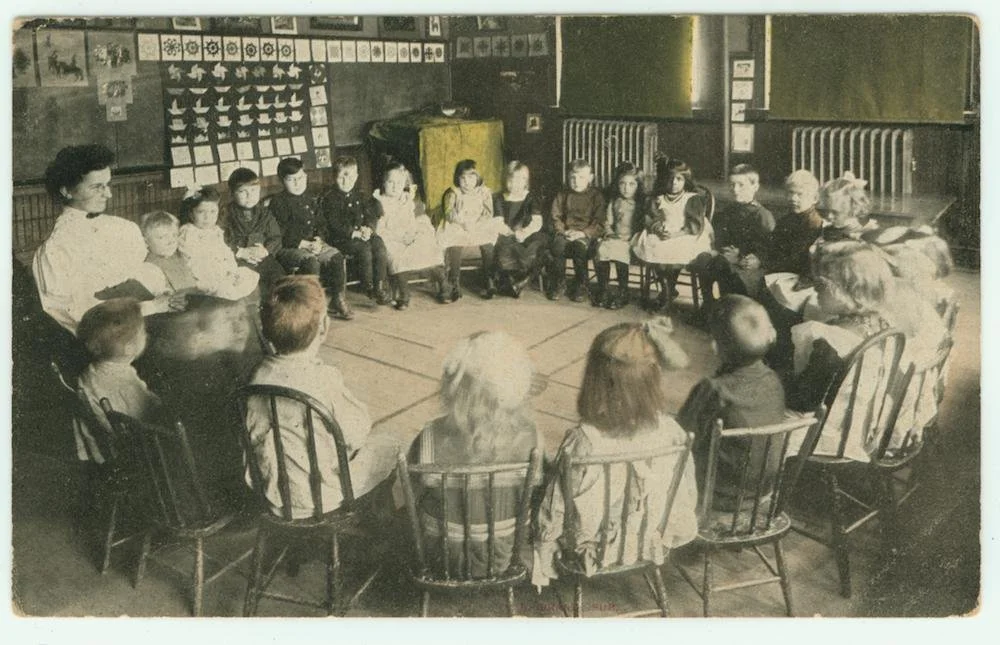
Photo courtesy of the Lake Bluff History Museum.
Noticing need and the collective weight of individual actions
It began with six children. In 1894, six homeless children were brought from Chicago to Lake Bluff by Methodist deaconesses. Waiting for them was a safe, warm rented cottage on the northeast corner of Scranton and Evanston, owned by Marilla Hobbs and her husband James, who was president of the Lake Bluff Camp Meeting Association at the time. Over the next year, the Hobbs funded construction of what became the Methodist Deaconess Orphanage, a building large enough to house 30 children. From that relatively modest beginning, the later named Lake Bluff Children’s Home grew into something far larger and more impactful.
Kathy O’Hara, President of the Lake Bluff History Museum says, “it was the vision of James and Marilla Hobbs who heard of six homeless children on the streets of Chicago that they were able to provide a cottage for and then expanded it so that literally thousands of children over 90 years could be housed and nurtured.”
Eventually, there were multiple buildings, occupying an entire block connected by Scranton, North, Glen and Evanston. The Children’s Home provided not only housing, but adoption and foster placement services for homeless children and at its height, helped more than 100 children each year because of the support of Lake Bluff and Lake Forest residents who contributed their own money, volunteered their time, and served in leadership roles. And the children weren’t tucked away from the community. They became part of it. They attended Lake Bluff schools and often went on to Lake Forest High School. At the Home, they gardened and raised chickens. They walked to the beach and went sledding. One former resident, Raymond Moore, would eventually return to the school system in 1935 as the first principal and later superintendent of Lake Forest High School. The Lake Forest High School main theater is named for Moore.
Over the decades, both the Home and the thinking around child welfare changed. As care began moving away from large institutions and toward foster homes in the 1950s, the Children’s Home shifted its focus toward fewer children with more specialized needs and a greater emphasis on counseling. In 1969, after 75 years, the Lake Bluff facility closed. The buildings remained for another decade before being demolished in 1979; houses now stand where the campus once did.
While the buildings are no longer standing, the more interesting legacy may be what built them in the first place. Six children arrived with a need. No single resident could answer it. Instead, people contributed what they could—money, leadership, time, attention. One act did not create the Lake Bluff Children’s Home. Many did.